
 By
·
6 minute read
If you have ever been told that leaking when you sneeze, pain during intercourse, or a heavy feeling in your pelvis is just "normal" after having a baby or getting older, you are not alone. Those feelings are valid, and they are far more common than most women realize.
According to the National Institutes of Health, roughly one in four women in the United States experiences at least one pelvic floor disorder. Common does not mean you have to accept it. Physical therapy in Lake Mary, FL can offer a path toward comfort, strength, and confidence, especially when the care is specialized, private, and focused entirely on you.
This guide explains what pelvic floor physical therapy is, who it helps, what a visit looks like, and how it supports everything from pregnancy to returning to running. It is written for women in Lake Mary, Sanford, Orlando, and across Seminole County who want to feel heard and get real answers.
What Is Pelvic Floor Physical Therapy?
Your pelvic floor is a group of muscles, connective tissue, and nerves that sit like a supportive hammock at the base of your pelvis. These muscles help control your bladder and bowel, support your pelvic organs, stabilize your spine and hips, and play a role in sexual function. When they are too weak, too tight, or not coordinating well with the rest of your core, symptoms can show up in surprising ways.
Pelvic floor physical therapy is a specialized area of rehabilitation that evaluates and treats these muscles and the structures around them. It goes well beyond simply doing Kegels. In fact, some women need to learn how to relax and lengthen their pelvic floor rather than tighten it, which is why an individualized assessment matters so much.
Research supports this approach. Pelvic floor muscle training is widely recommended as a first-line option for stress urinary incontinence, and studies also show it can help with symptoms of pelvic organ prolapse. A trained therapist looks at your breathing, posture, hips, back, and movement patterns, because the pelvic floor never works alone.
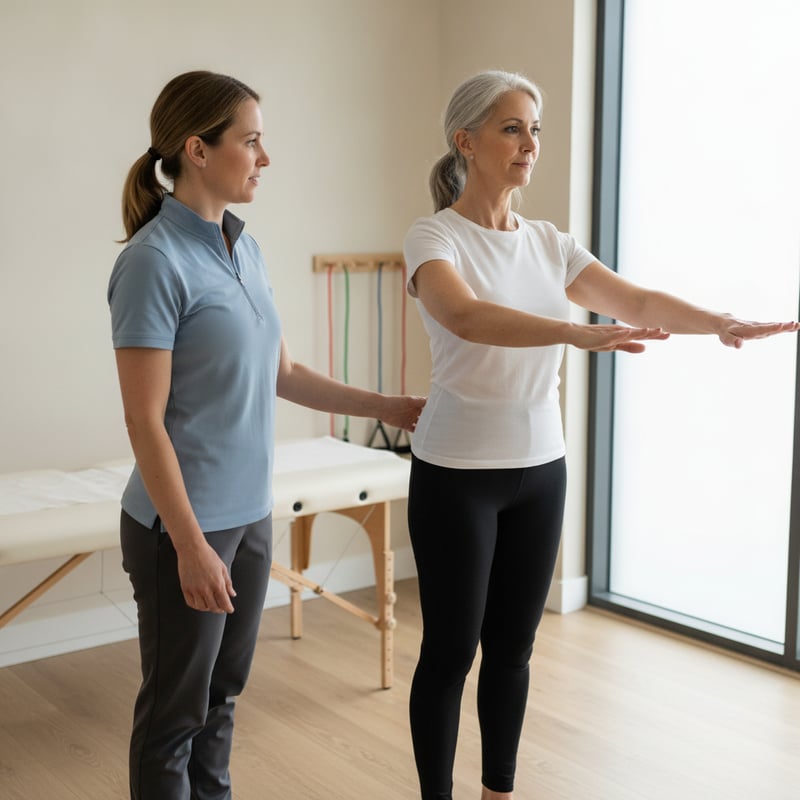
Who Benefits From Physical Therapy in Lake Mary, FL?
Pelvic health physical therapy is not only for new moms. It can support women at nearly every stage of life, and it is not limited to people who already have symptoms. Here are some of the most common reasons women seek care.
Pregnancy and Postpartum Recovery
Pregnancy and birth place significant demands on your body. During pregnancy, prenatal support through physical therapy can help you manage pelvic and low back discomfort, learn breathing and pressure management strategies, and prepare your body for delivery.
After birth, your body needs time and guidance to recover. Postpartum recovery care can address:
- Diastasis recti, which is a separation of the abdominal muscles along the midline
- Leaking urine when you cough, laugh, or exercise
- Pelvic pain or heaviness
- Pain with intercourse or scar discomfort
- Rebuilding core strength before returning to exercise
Incontinence, Prolapse, and Pelvic Pain
Bladder leakage, a feeling of pressure or bulging in the vagina, and ongoing pelvic pain can quietly shape your daily choices. You might skip workouts, avoid long drives, or plan your day around the nearest restroom.
Physical therapy looks for the underlying causes, such as muscle weakness, tension, poor coordination, or pressure habits during movement. Therapy can also support women living with pain related to endometriosis by addressing the muscle tension, trigger points, and movement patterns that often accompany chronic pain. It does not replace medical care for endometriosis, but it can be a valuable part of your overall plan.
Painful Intercourse
Pain during intimacy is one of the most isolating symptoms women face, and many never bring it up. Painful intercourse is often linked to pelvic floor muscles that are overly tight or sensitive. A therapist can assess these muscles and use gentle manual techniques, breathing strategies, and guided exercises to help restore comfort.
Perimenopause, Menopause, and Healthy Aging
Hormonal changes can affect muscle tone, tissue support, bladder habits, and joint comfort. Therapy during perimenopause, menopause, and beyond can focus on strength, mobility, posture, and pelvic health so you can stay active and independent as you age.
Surgery, Procedures, and Return to Activity
If you are preparing for or recovering from a surgery or procedure, therapy can help you regain mobility, manage pain, and rebuild strength safely. Women who want to return to running, sport, or work after a setback can also benefit from a plan built around their specific goals.
Why Root Cause Care Matters
Many women have been offered quick fixes, pads, or a recommendation to "wait and see." Managing symptoms may bring short-term relief, but it rarely explains why the symptoms began.
A root cause approach asks different questions. Is your pelvic floor weak, or is it overworking? Are your hips or lower back limiting how your pelvis moves? Are your breathing patterns increasing pressure on your pelvic floor? Are you bracing your abdomen all day without realizing it?
At Advanced Pelvic Health Solutions, care is built around finding those answers. The practice is also built on a proactive and preventive model. You do not need to wait until symptoms become disruptive. Addressing pelvic floor function during pregnancy, before a return to sport, or as your body changes in midlife can help you stay ahead of problems.
What to Expect During Your Visits
Walking into a pelvic health appointment for the first time can feel vulnerable. Knowing what happens can make it easier.
A Private, One-on-One Environment
Pelvic concerns are personal. Sessions take place in a private treatment setting designed for sensitive topics, with focused one-on-one attention. You will never be rushed, and you are encouraged to ask questions and share what is really going on.
Your Initial Evaluation
Your first visit begins with a conversation. You will talk about your symptoms, health history, pregnancies or surgeries, daily habits, and the goals that matter most to you. From there, your therapist may assess:
- Posture, breathing, and how your core and hips work together
- Strength, mobility, and balance
- Your movement patterns through a functional movement assessment and movement screen
- Running mechanics through a running gait analysis, if running is part of your goals
- Pelvic floor muscle function, which may include an internal assessment when appropriate and only with your informed consent
You stay in control of the process. If you are not comfortable with any step, you can say so and your therapist will adjust.
Your Personalized Treatment Plan
Based on what your evaluation reveals, your therapist builds a plan around your body and your goals. Treatment may include a combination of hands-on and active strategies tailored specifically to you.
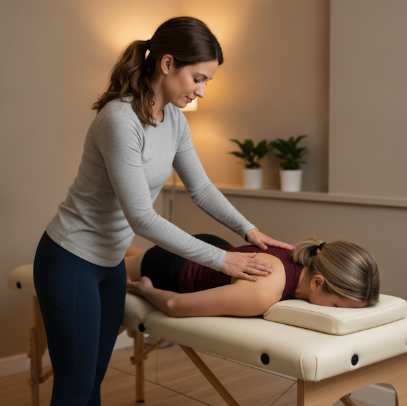
Treatments Used in Pelvic Health Physical Therapy
No two women have the same plan. Depending on your needs, your care may include the following approaches.
Hands-On Techniques
- Manual therapy to improve tissue mobility and reduce discomfort
- Myofascial release and soft tissue mobilization to ease tight, restricted tissue
- Trigger point therapy to target sensitive knots in overactive muscles
- Joint mobilization for the hips, spine, and pelvis when stiffness contributes to symptoms
- Pelvic floor internal techniques to assess and treat the pelvic floor muscles directly when clinically appropriate
- Assisted stretching to improve flexibility and relieve tension
Active Rehabilitation and Retraining
- Breathwork and diaphragmatic training to coordinate your breathing with your core and pelvic floor
- Neuromuscular re-education to help your muscles contract, relax, and time themselves properly
- Therapeutic exercise to build endurance and control
- Resistance training to build strength for daily life, lifting, and sport
- Balance and proprioception training to improve stability and body awareness
The goal is not just to relieve symptoms for a day. It is to help your body move and function better so the results last.
Recovery and Performance: Getting Back to What You Love
Pelvic health and performance are closely connected. A pelvic floor that works well supports your core, helps manage pressure during lifting and impact, and allows you to move with confidence.
If you are an active woman, therapy can help you with:
- Return to running: A running gait analysis and strength assessment can reveal how your body handles impact and where support is needed.
- Return to sport: Gradual progressions help you rebuild capacity without ignoring symptoms such as leaking or heaviness.
- Strength building: Resistance training can be adapted to your stage of recovery and your goals.
- Mobility, flexibility, and posture: Targeted work can improve how your hips, spine, and pelvis share load.
- Prehab: Addressing weak links before they become injuries can protect your long-term activity.
Symptoms like leaking during exercise are common, but they are a signal worth listening to. They are not something you must simply push through.
Why Choose Advanced Pelvic Health Solutions in Lake Mary?
Choosing a physical therapist is a personal decision, especially when your symptoms are sensitive. Here is what sets Advanced Pelvic Health Solutions apart:
- Exclusively women's pelvic floor physical therapy, so your concerns are the focus, not an afterthought
- Personalized, one-on-one care tailored to your body, history, and goals
- A root cause approach rather than symptom management alone
- A private treatment environment designed for sensitive concerns
- Comprehensive support from pregnancy and postpartum through pelvic pain, incontinence, prolapse, and midlife changes
The practice serves women in Lake Mary, Sanford, Orlando, Seminole County, and surrounding Central Florida communities. You can explore the full list of services or visit the blog for more education on women's health topics.
Frequently Asked Questions About Pelvic Floor Physical Therapy
Is pelvic floor physical therapy only for women who have had babies?
No. Women who have never been pregnant can experience incontinence, pelvic pain, or painful intercourse. Therapy can also support women in perimenopause, menopause, and healthy aging, as well as athletes and women recovering from surgery.
Will I have to undergo an internal exam?
Not necessarily. Internal techniques can be a useful part of assessment and treatment for some women, but they are only used when clinically appropriate and with your informed consent. Many components of care, such as movement assessment, breathwork, and exercise, are entirely external.
Do I need to wait until symptoms are severe?
No. Early support is often easier than waiting. Prenatal care, postpartum check-ins, and preventive visits can help you build strength and avoid problems before they escalate.
How long will it take to feel better?
Every woman is different. Your timeline depends on your symptoms, history, and goals, and your therapist will talk with you about what to expect after your evaluation.
Take the First Step Toward Feeling Like Yourself Again
You deserve to be heard, and you deserve answers that go deeper than "this is normal." Whether you are pregnant, healing after birth, living with pelvic pain, or ready to get back to running and the activities you love, support is available right here in Lake Mary.
Reach out to Advanced Pelvic Health Solutions today to get started. Visit the home page and take the first step toward comfort, strength, and confidence.